
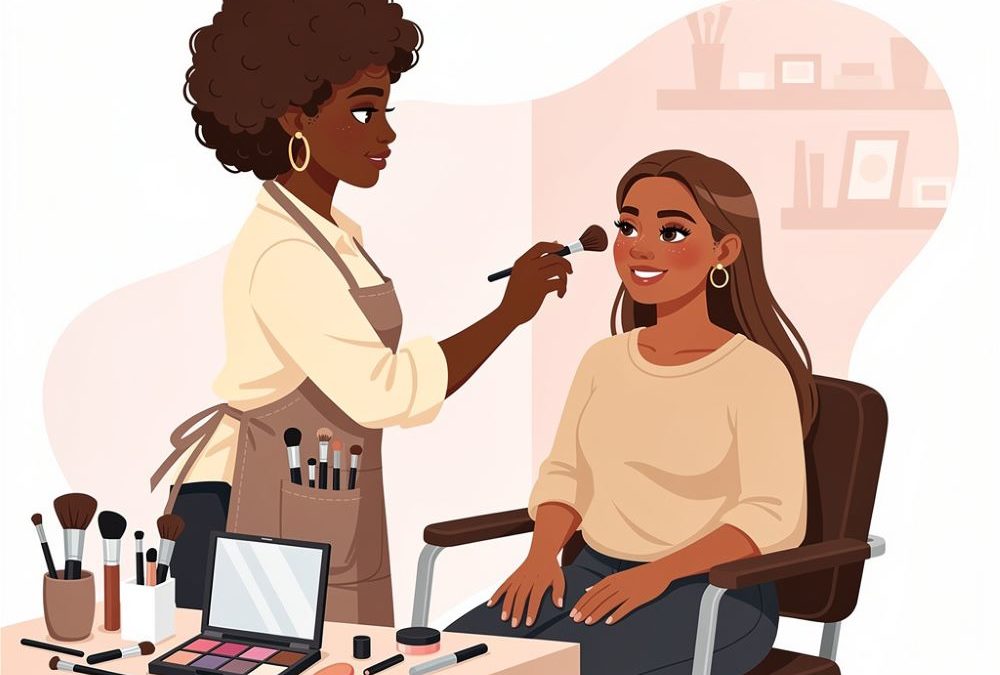
Ever caught yourself watching a makeup tutorial at 2am thinking “I could actually do this for a living”? Or maybe you’re the friend everyone asks to do their makeup for nights out. Becoming a makeup artist might be the move.
What Does a Makeup Artist Actually Do?
Depends entirely where you end up, to be honest.
Film and TV work is crazy. One day you’re making someone look like an alien, next day you’re doing natural makeup that needs to look invisible on camera. The transformations are wild though. Prosthetics take hours – think turning a 30-year-old into an 80-year-old or creating fantasy creatures. It’s basically art but on someone’s face.
Theatre’s a whole different vibe. Stage lighting washes people out like you wouldn’t believe, so everything gets exaggerated. Strong contouring, dramatic eyes. And backstage quick changes? You’re basically doing someone’s entire face in about four minutes flat whilst they’re half in costume. Adrenaline rush.
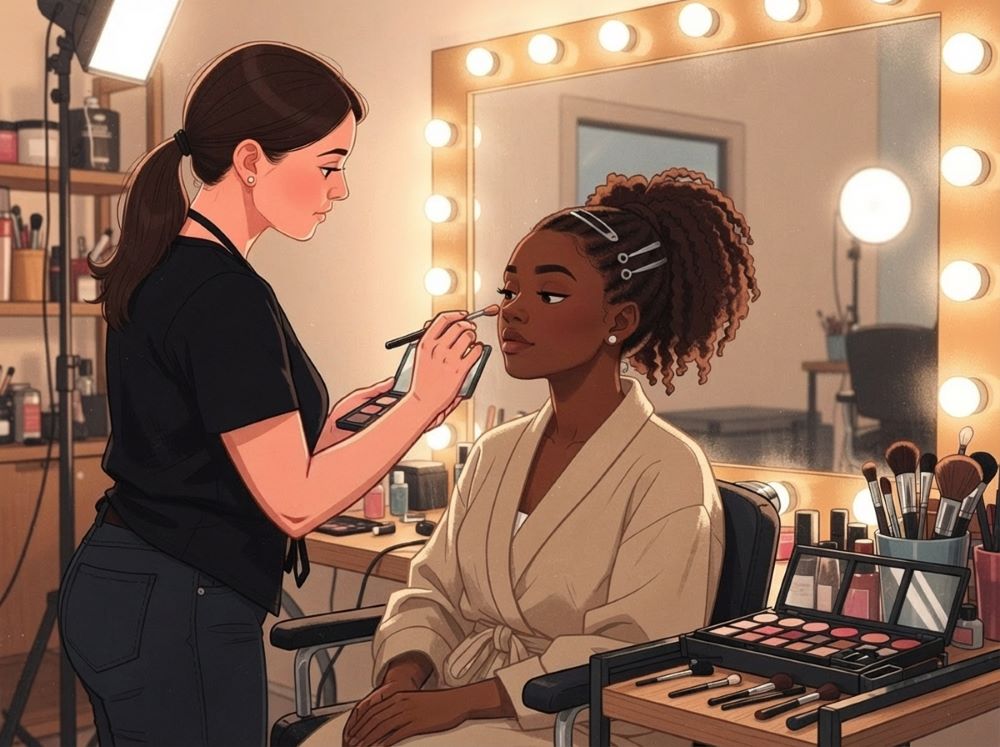
Fashion and editorial is the glamorous bit everyone thinks about. Photoshoots, fashion week, creating looks for magazines. Sounds dreamy and sometimes it is, but fashion week means you’re probably working 16-hour days on zero sleep. The photos look incredible though.
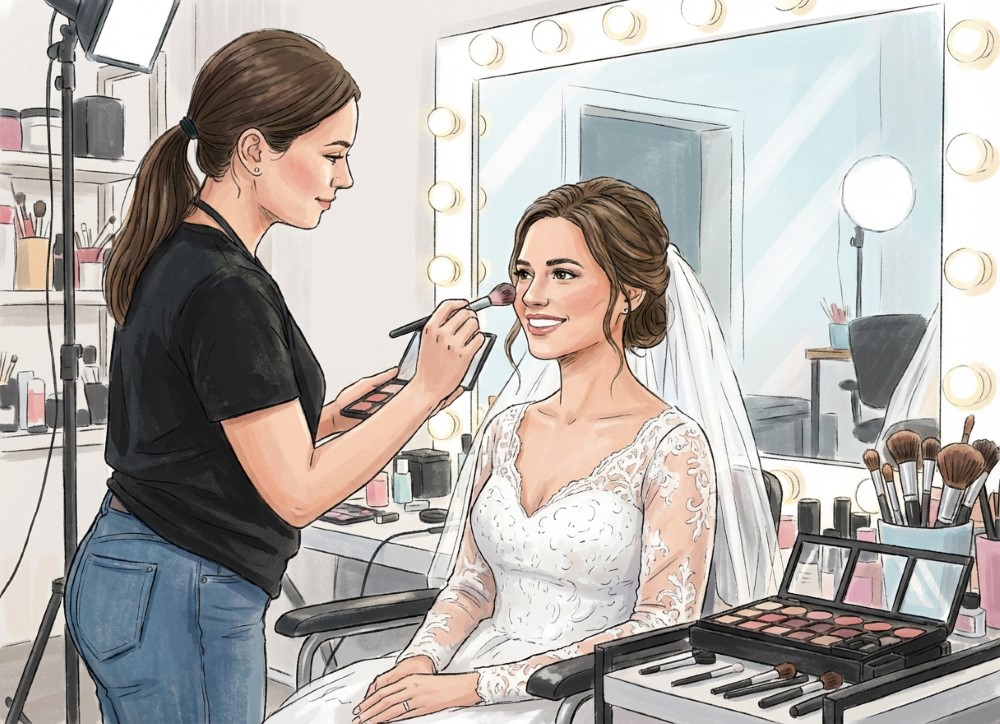
Bridal makeup is massive here. Like, properly massive. Every weekend April through September you could be doing three brides easy if you’re established. It’s lovely work because everyone’s buzzing and emotional, but brides are also stressed so you need good people skills.
Then there’s the salon route or working on beauty counters in department stores. More stable than freelancing, regular hours, teaching people how to do their own makeup. Some people find it boring but others love having that security and routine.
How much do makeup artists earn in the UK in 2026 ?
Starting salary in a salon or beauty counter? Around £22k. Not exactly rolling in it but you’re learning and building up clients.
Once you’ve got experience, maybe £25k-£35k depending on what you do. Bridal artists who are properly booked can make bank during wedding season – some charge £300-£400 per bride. Do the maths on three brides every Saturday May to September. It adds up fast.
Film and TV pays in day rates, usually £150-£300 depending on the production. Big production stuff pays more than a local indie film, obviously. But there’s gaps between jobs which can be stressful. And you will need experience and good portfolio to get bigger jobs.
Freelance and established? Could be looking at £40k+ if you’ve built your reputation. The really successful ones working with celebrities earn loads more but that’s after years of grafting and knowing the right people.
Beauty consultants often get commission too. Can boost your income quite a bit, especially Christmas when everyone’s panic-buying gift sets. of course all these figures are all approximate and will vary a lot depending on your location, experience and type of clients.
Actually Getting Into This
There’s no one right way, which is both good and confusing.
The University Route
You can do a degree in makeup – foundation degrees, HNDs, full three-year degrees. Courses cover stuff like:
- Makeup for media and performance
- Media makeup artistry
- Theatrical and special effects makeup
These are good if you’re serious about film, TV or theatre work. You’ll learn prosthetics, period makeup, special effects, all the technical bits. Universities want to see a portfolio when you apply though, so start practicing now and photograph literally everything. Even if it’s just looks you did on your mates down the pub, it shows you’re developing.
Creative A levels help. Art, drama, performing arts, that sort of thing.
What You Need to become a makeup artist in 2026 ?
Foundation degrees usually want 1-2 A levels. Full degrees want 2-3 A levels. Every course is different though so check properly.
Student finance covers fees and living costs if you qualify. Just… be realistic about the debt. It’s a lot.
College Option
Shorter than uni, way more hands-on. You can study:
- Makeup
- Theatrical and media makeup
- Makeup artistry
- Hair and media makeup
Level 2 to Level 3 qualifications, takes about 1-2 years. Really practical which is brilliant if you learn by doing rather than sitting through lectures about colour theory.
Entry requirements vary loads. Some colleges want GCSEs, some are more relaxed about it. Just ring them and ask.
College is less intimidating than university (in my opinion anyway), often closer to home, and you’re not getting into massive debt. Still get a qualification at the end.
Makeup Artist Apprenticeships Are Actually Good
You get paid whilst you learn, which is the dream really. Working in a real salon or with a makeup team and studying part-time.
Options:
- Beauty Therapy Level 2 https://findapprenticeshiptraining.apprenticeships.education.gov.uk/courses/363
- Hairdressing Level 2 Intermediate Apprenticeship
- Hair, Wigs, Makeup and Prosthetics Technician Level 3 Advanced Apprenticeship
That last one’s gold for theatre/film work. You’re learning wigs, prosthetics, theatrical makeup whilst earning. Not great money (apprentice minimum wage) but you’re getting actual experience, which counts for loads.
What You Need
Intermediate apprenticeship usually needs some GCSEs including English and maths. Advanced level needs five GCSEs at grades 9-4, including English and maths.
Private Courses
Beauty schools run specialist courses. Can be pricey but they’re intensive and focused. Some are weekend courses, others are weeks long.
These work well if you’ve already got basics and want specific skills. Airbrush makeup, SFX, bridal techniques. Just make sure they’re legit before paying.
Or Just… Start
Some brilliant makeup artists never did formal training. They practiced obsessively, built portfolios, learned from YouTube and Instagram.
You could:
- Do makeup for friends going to events (weddings, proms, parties)
- Get involved with amateur theatre groups
- Message local photographers asking if they need makeup artists for shoots
- Offer to do makeup for student films
- Volunteer at fashion shows or charity events
Photograph everything. Your portfolio is everything in this industry. Clients want to see what you can actually do, not just what certificates you’ve got.
How Long Does it Take to Become a Makeup Artist ?
University degree is three years. College courses are 1-2 years usually. Apprenticeships take 12-18 months.
But getting properly good takes longer, honestly. Most makeup artists say it’s 3-5 years before they feel really confident and fast. And you never stop learning because new products come out constantly and trends change.
Following makeup artists on Instagram and TikTok actually helps loads. You see what’s current, pick up techniques, get inspired. Just don’t compare yourself to people with ring lights and filters and millions of followers.
Different Specialisations
Bridal Makeup
Huge in the UK. Weddings every weekend April to October. Brides will pay well for good makeup.
You need to understand different skin tones, make makeup last all day (crying, photos, dancing), work with different ages and styles. A 25-year-old bride wants something different to her 55-year-old mum. Trial sessions are standard – you practice the look beforehand so there’s no surprises on the day.
Takes time to build a bridal business but once you’re established and getting word-of-mouth recommendations, you can be booked up months ahead.
Film and TV
Competitive but exciting. Period dramas need historically accurate makeup. Modern shows need makeup that looks natural on camera. Continuity is massive – recreating the exact same look day after day.
Fashion and Editorial
Bold, creative, experimental. You’re working with photographers and stylists to create looks that might look ridiculous in person but photograph beautifully.
Mostly freelance so you need to be comfortable networking and hustling for jobs. It’s about relationships with photographers and agencies.
Theatre
Stage lighting changes everything. Audience is far away so everything’s more dramatic. Heavy contouring, bold colours, exaggerated features.
Often involves wigs too. And you need to work fast because actors need completely different looks between scenes sometimes.
Going Freelance
Loads of makeup artists are self-employed. Set your own rates, choose clients, work when you want.
It’s not all sunshine though. Some months you’re fully booked and earning great. Other months are quiet and you’re stressing about bills.
Building a client base takes time. Need business cards, professional Instagram, ideally a website with your portfolio. Word of mouth is massive so always be sound with clients.
Makeup Kit Costs
Professional kit isn’t cheap. Basic kit costs £500-£1000 minimum, and that’s before you’ve got every foundation shade for different skin tones.
You need brushes (good ones that last), foundations in loads of shades, concealers, powders, eyeshadows, lipsticks in every colour, false lashes, sanitising products, a proper case for everything.
Your kit grows over time. Don’t need everything immediately but clients expect options.
Can Foreigners Work as Makeup Artists Here?
Yeah, you just need the right to work in the UK.
If you trained abroad your qualifications might be recognised depending where from. Your portfolio matters more than certificates anyway.
UK has makeup artists from everywhere. Different perspectives on beauty actually make you more valuable because you understand diverse aesthetics.
The Actual Reality
Hours can be brutal. Brides want makeup at 6am. Fashion shoots run till midnight. Film calls start at 5am. If you hate mornings… good luck.
You’re on your feet for ages. Wedding days you might be with the bridal party from 7am till 3pm.
Money isn’t steady unless you’re employed. Freelance means budgeting carefully and maybe having another part-time job till you’re established.
But the good bits? You’re creative every day. Making people feel gorgeous. When a bride cries happy tears because she loves her makeup, or an actor thanks you for the transformation – it’s genuinely special.
You meet interesting people, see behind the scenes, build something from your creativity. Once established you’ve got loads of options.
Getting Started in 2026
If you want this, just begin. Search apprenticeships in your area. Check local colleges. Look up “makeup artist apprenticeships near me.”
Start practicing immediately. Get decent brushes, practice on yourself, your mum, your mates. Watch tutorials, recreate looks. Take photos and start building a portfolio, even just on Instagram.
Useful websites:
- National Careers Service
- HABIA (Hair and Beauty Industry Authority)
- Apprenticeships.gov.uk
Get involved with local theatre or student films. Real experience, even unpaid initially, is invaluable. Plus you meet people and this industry runs on connections.
It’s not a career needing years of university if that’s not your thing. You can start learning quite quickly through apprenticeships or college. And if you’re creative, good with people, obsessed with makeup – you’ll probably love it.
People will always want to look good for special occasions. Weddings, parties, photoshoots aren’t going anywhere. It’s got staying power if you work hard and keep developing.
So grab some brushes and start. Your career begins now, not after some lengthy course. Sooner you begin, sooner you get good. This time next year you could be doing bridal makeup or working on an actual film set.
Not bad, right?