
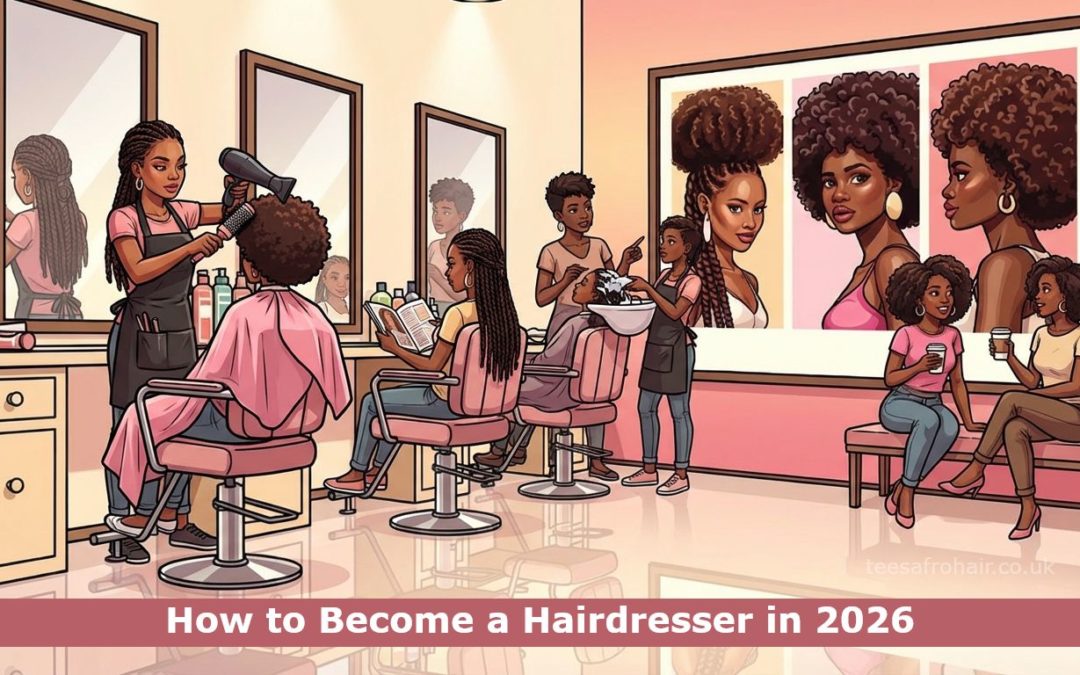
Would you like a career where you’re creative every day? Where you chat to people, make them look absolutely gorgeous, and earn decent money doing it? Hairdressing might be for you.
What Does a Hairdresser Actually Do?
Hairdressers cut, colour, and style hair. Simple as that, really. But there’s more to it than just snipping away.
You’ll spend your days consulting with clients about what they want. Sometimes they know exactly what they’re after. Other times they’ll show you a picture of a celebrity and say “make me look like that” – which can be interesting when their hair is completely different.
You’ll wash hair, apply treatments, mix colours, do highlights. Fit hair extensions when clients want more volume or length. Some hairdressers also work with wigs, especially for clients dealing with hair loss.
The social side matters too. You’re talking to people all day. Listening to their lives, their problems, their excitement about holidays or weddings. It’s therapeutic for them, and honestly, you become a bit of an amateur counsellor sometimes.
How Much Can You Make as a Hairdresser?
Let’s talk money because that’s what everyone wants to know.
Starting out? You’re looking at around £23,000 a year. Not brilliant, but you’re learning. As you get better and build up clients, you can reach £30,000 or more. Location matters – London pays more but costs more too.
Tips help. A good hairdresser with regular clients can add a fair bit through tips, especially around Christmas or before big events like weddings. Some of my friends who work in salons say tips can add an extra £50-100 a week during busy periods.
Want to earn more? Go self-employed. Rent a chair in a salon and keep what you make (minus the rent and your costs for products). Some hairdressers doing this pull in £40,000-£45,000, though it depends entirely on how booked up you stay.
Barbering’s similar money-wise, though the really good barbers in trendy areas can charge £30-£40 for a cut and be booked solid.
How to Actually Become a Hairdresser
Right, here’s how you get into it.
College Route
You can do a hairdressing course at college. Level 2 Diploma in Hairdressing takes about a year full-time. There’s also barbering courses if you want to focus on men’s hair and traditional wet shaves.
Some colleges offer combined courses – hairdressing plus make-up and nails, which gives you more options. Perfect if you’re thinking about doing bridal hair and makeup later on.
Entry requirements aren’t strict. Most colleges just want to see you’re keen and have basic English and maths.
Apprenticeship Route
This is popular because you earn whilst you learn. You work in an actual salon and go to college part-time.
The Hairdressing Professional Level 2 Intermediate Apprenticeship takes 12-18 months. You need some GCSEs usually, including English and maths.
There’s also a Level 3 Advanced Apprenticeship (Creative Hair Professional) which takes you further.
Pay’s not amazing as an apprentice – often minimum wage for your age – but you’re getting proper hands-on experience. Plus you’re not racking up student debt like your mates at uni.
Just Start Working
Some salons will take you on as a trainee with no qualifications. You’ll probably sweep floors and wash hair at first. They’ll expect you to study part-time for your qualifications though, either at college or through their own training programme.
It’s a good way in if you need to start earning immediately. And honestly, you learn so much just watching the senior stylists work.
The Self-Employed Route
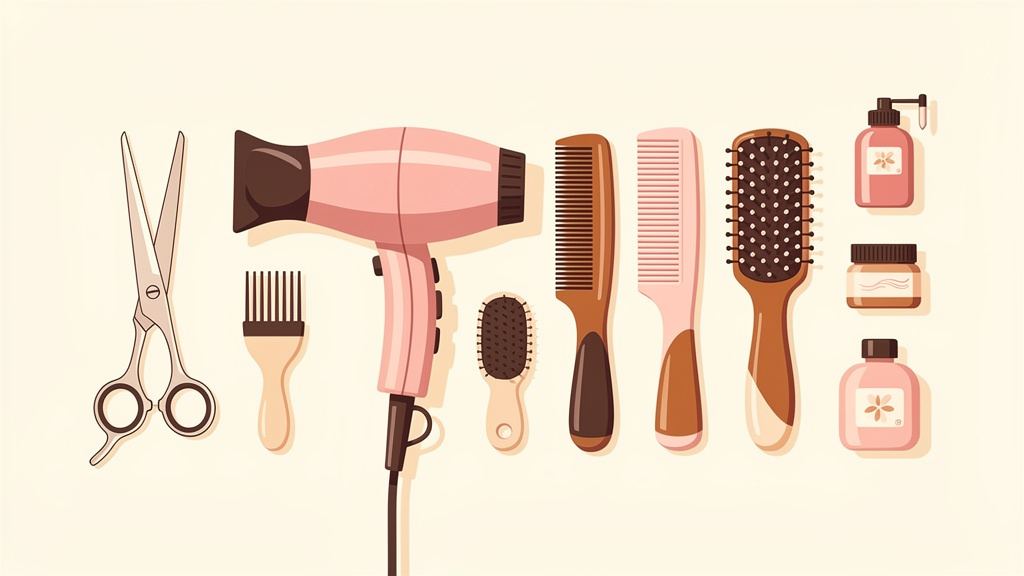
Once you’re qualified and experienced, you can rent space in a salon. You’re your own boss but you use their premises. You need your own kit though – scissors, brushes, hairdryers, all that. More info here: https://www.gov.uk/working-for-yourself
How Long Does It Take?
About 1-2 years to get qualified, depending on your route. Apprenticeships are usually 12-18 months. Full-time college is quicker, maybe a year, but then you still need real salon experience.
Being actually good at it? That takes longer. Most hairdressers say it’s 3-5 years before you’re really confident and fast.
The learning never stops though. New techniques come out. Balayage wasn’t even a thing in most UK salons 15 years ago, now everyone wants it. Same with things like K-beauty treatments and bond-building treatments.
Specialising – Wigs and Hair Extensions
Hair extensions are massive business now. Everyone wants long, thick hair instantly.
You need extra training for extensions. There’s different methods – tape-ins, micro-rings, weaves. Each needs its own technique. Get good at extensions and you can charge serious money. A full head takes hours and clients pay more depending on the hair quality.
Afro and Textured Hair
Afro and textured hair needs different techniques because the structure’s completely different. Standard courses don’t always cover this properly, so specialist training helps if you want to work with all hair types. This includes protective styles like braids and twists, working with natural curls, and techniques for afro extensions and weaves. Good market for it too – clients pay well for stylists who actually know what they’re doing.
Can Foreigners Become Hairdressers in the UK?
Yeah, absolutely. You just need the right to work here, same as any job.
If you trained abroad, your qualifications might be recognised. Worth checking with HABIA (Hair and Beauty Industry Authority). You might need to do a UK assessment or top-up course, but your experience definitely counts.
Loads of salons employ international staff. The skills transfer pretty well, though British clients might want different styles than you’re used to.
What About Running Your Own Salon?
Plenty of hairdressers dream of opening their own place. It happens, but it’s hard work.
You need hairdressing skills obviously, but also business sense. Accounting, marketing, managing staff, dealing with suppliers. Some hairdressers do a business course alongside their practical training, which helps.
Starting costs are high – rent, equipment, products, insurance, marketing. But if you build it up right, owning a salon can be very profitable. And there’s something lovely about creating your own space exactly how you want it.
The Reality of the Job
Let’s be honest about the downsides.
You’re on your feet all day. Your back and feet will hurt at first. Invest in proper shoes, seriously, it makes such a difference. You work weekends because that’s when most people want haircuts. Evenings too. Forget about having Saturday off for brunch with the girls.
Some clients are difficult. They’ll complain about a cut that’s exactly what they asked for. Or they’ll turn up late and expect you to still fit them in. You learn to handle it.
But the good bits? You’re creative. You make people happy. There’s genuinely nothing like when someone looks in the mirror and their face just lights up. You can have a proper laugh with clients. And once you’re established, you’ve got options – stay employed, go self-employed, open a salon, work freelance doing weddings and events.
Getting Started in 2026
If you want to be a hairdresser, just start. Look for apprenticeships in your area. Check out local colleges. Walk into salons and ask if they’re taking on trainees.
The HABIA and NHBF websites have loads of info about courses and careers.
It’s not a career that requires years of university. You can be earning and learning from day one. And if you’re good with people and you’ve got a creative eye, you’ll probably love it.
Plus, people will always need haircuts. It’s recession-proof in a way. Even when money’s tight, most people still get their hair done – they just might stretch it to every 8 weeks instead of 6.
References:
National Careers Service.