
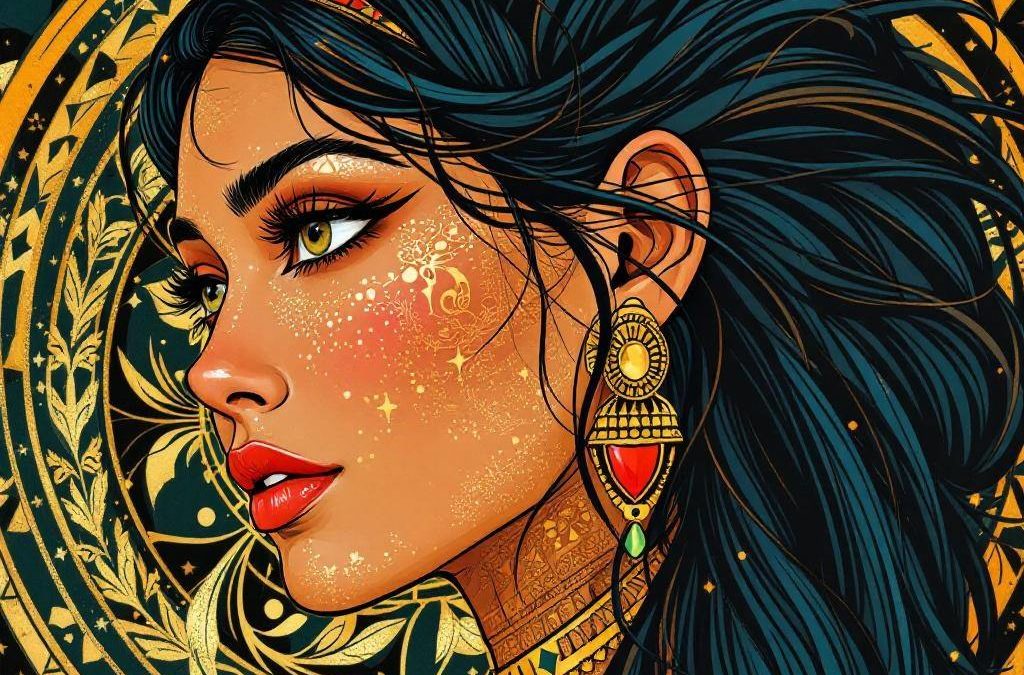
Hair has always been part of personal style. It helps show identity and taste. It is often the first thing people notice. The story of hairdressing is long and full of change.
Timeline of Hairdressing
-
3000 BCEAncient Egypt develops early hair care and wig making.
-
800 BCEGreece uses oils and heated tools for new looks.
-
100 CERome expands styling and creates more complex curls.
-
1400 to 1600European courts inspire new methods and shapes.
-
1700 to 1800The trade becomes formal with clear roles.
-
1900 to 2000Salons spread and new tools transform the craft.
Hairdressing Ancient Egypt
Hairdressing began in ancient Egypt. Skilled workers cared for hair and made wigs for daily life and ceremonies. They shaped braids and curls with simple tools. Their work showed rank and wealth.
Greece and Rome
Ancient Greece and Rome also valued hair. People used oils and heated tools for curls and waves. Hair showed status and mood. Styles changed often as new ideas moved across towns and homes.
The Middle Ages and the Renaissance
During the Middle Ages and the Renaissance the craft grew. Courts in Europe pushed stylists to try new looks. Hair became a sign of culture and taste. Makers of wigs and hairpieces gained respect as their work reached more people.
The Eighteenth and Nineteenth Centuries
By this time the trade was formal. Barbers and hairdressers had clear roles. New tools and products appeared. These helped create shapes that were once hard to achieve. This set the path for salons in the modern world.
The Twentieth Century
The twentieth century brought fast change. Salons grew in number. New colour methods and styling tools changed what people could do with hair. Stylists became part of fashion. Some gained global influence through work seen on runways and in films.
Today
Hairdressing keeps evolving. It blends skill and creativity. Modern stylists honour old methods while trying new ideas. The past helps us see why hair and hair extensions still a key part of style and identity.